

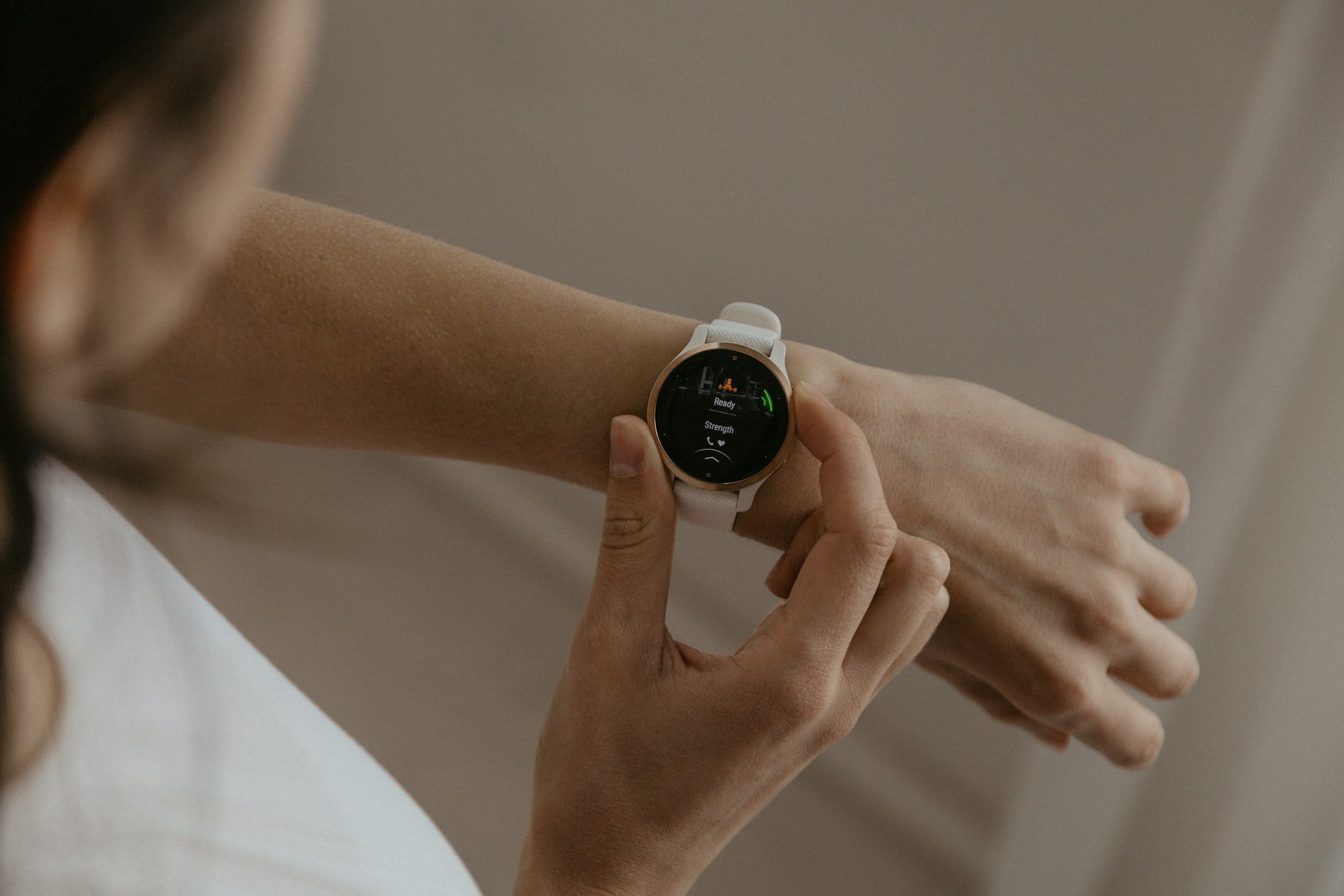
Recently, I got a new Garmin smartwatch to track my running, fitness and health. And honestly, it’s awesome — but there’s so much it tracks, I find it can be little dizzying.
Lately, I’ve found myself wearing it all day, when I walk, when I run, even when I sleep — because I wanted to find out exactly how long I’m sleeping, whether the sleep I’m getting is quality sleep, etc.
And because I now have all this data I didn’t have before, which I can call up any time the thought crosses my mind, I find myself thinking about it more. I wonder if my resting heart rate is where it should be; I wonder if I should try to keep my “streak” going for the number of 10,000-steps days in a row I can do.
Obviously it’s not the most important thing in the world, but having all this information and stimuli coming at you can make your head spin, you know?
So I’m wondering: if you use a smartwatch, what do you pay attention to? Do you find yourself swimming in data too? How do you make sense of it? — Terrell
I've had a Garmin watch for many years and, yes, there are lot of data available. I ignore quite a bit. I keep track of my heart rate (particularly the Average Resting HR (usually around 49-50)); max HR; pace; distance. At almost 86 years old, I have learned to listen to my body so I use the data to aid me in my training for a race. Years ago I found you can locked into depending too much on data and not enough on what your body is telling you! Only use the watch as a tool .
It's interesting that you bring this up now. Just today I said to my husband - if I was relying on my Garmin data for motivation, I'd stop running. When I increase my distance, my Garmin decreases my VO2max, when I run faster my Garmin decreases my endurance. A training status of unproductive after a couple of tough runs is not a great motivator. If I help out at event as a pacer, my Garmin data is all over the place.
Having started dancing and then running long before smartwatches was a blessing in disguise. I learned to read my body and understand its unique characteristics. My resting heart rate is very low but my average when I'm exercising is high, so if I was going to make decisions based on that, I'd never get past a fast walk at best. At the end of the day, smartwatches rely on algorithms, not reality.